
Swiftlet Bird's Nest: The Export Commodity Quietly Dominated by Indonesia
Understanding the Swiftlet Bird's Nest Industry with RLCO Part 1 of 4 Indonesia dominates more than half of the global swiftlet bird's nest export market, with downstream processing playing a critical role in meeting international standards and sustaining the country's global competitiveness.
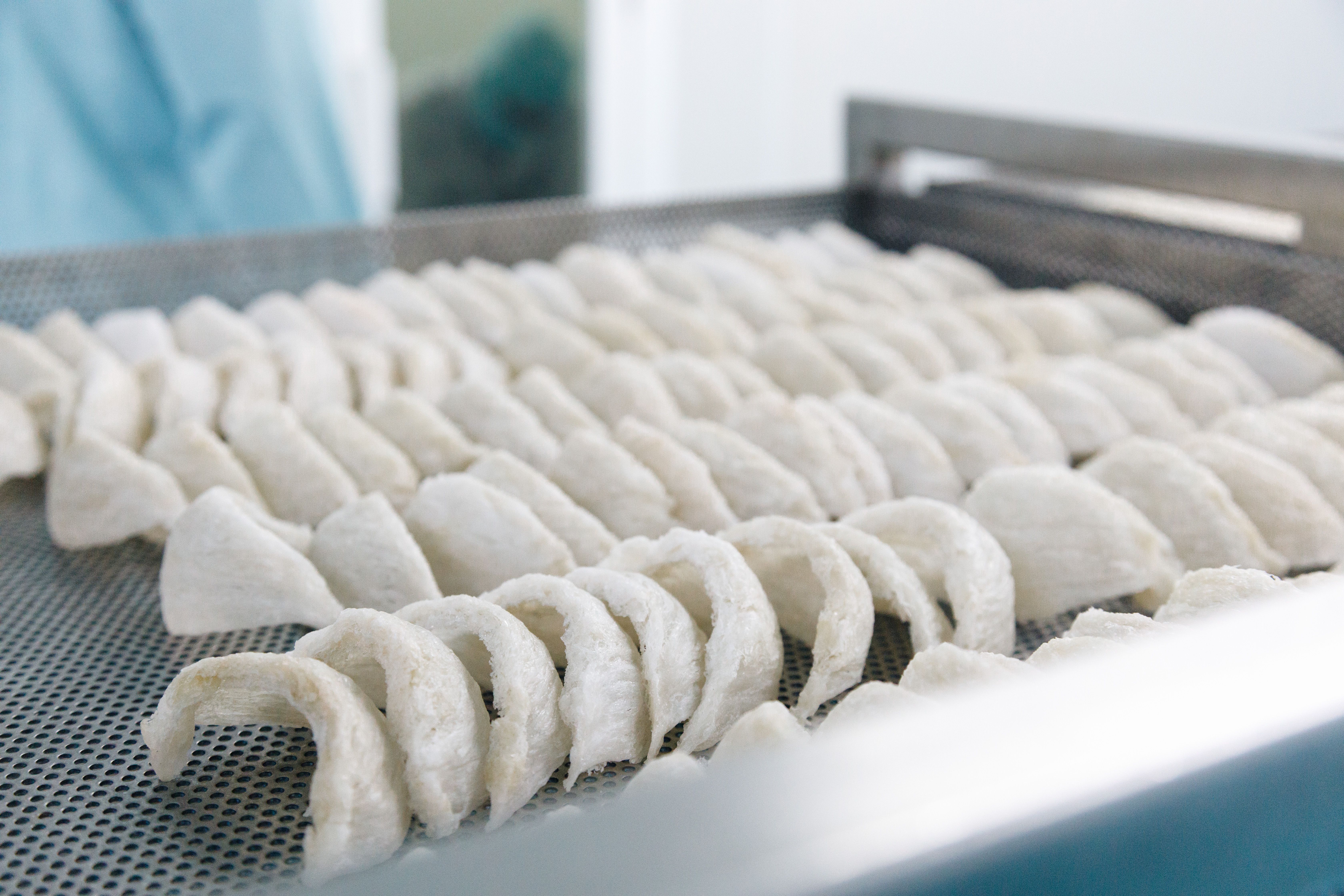
Among Indonesia's leading export commodities such as palm oil, coal, and nickel, there is one commodity that rarely receives public attention despite being one of the sectors most heavily dominated by Indonesia—swiftlet bird's nest. In terms of global market share, Indonesia's dominance in this commodity is even greater than that of many far more popular export products.
According to data from Indonesia's Ministry of Trade, Indonesia's swiftlet bird's nest exports reached US$551.56 million in 2025, equivalent to 58.31% of total global export value. Malaysia, the closest competitor, accounted for only 22.77%, while China, despite producing bird's nests domestically, ranked third with 5.17%. Indonesia, meanwhile, supplied 80.15% of China's total bird's nest imports. Of the total export value, approximately US$380.20 million, or nearly 69%, was exported to China alone. Over the past five years (2021–2025), Indonesia's bird's nest exports have consistently recorded positive growth of 2.66%.
What are bird's nests used for, and where are they consumed? The largest demand comes from China, and this is no coincidence. In Traditional Chinese Medicine (TCM), bird's nests have been recognized for centuries as a premium tonic comparable to ginseng and cordyceps, traditionally believed to support immunity, skin health, and vitality. This long-standing tradition has created stable demand across generations.
More recently, consumption has expanded to the United States and among younger consumers in Indonesia who embrace wellness-oriented lifestyles. Interestingly, several Southeast Asian countries, including Vietnam and Thailand, are no longer merely consumers—they have also emerged as serious producers. As a result, the industry's competitive landscape has become a competition among producing countries, rather than simply a race to capture market demand.
So, why has Indonesia become so dominant?
The answer lies in the fact that not every country can produce high-quality bird's nests. Unlike poultry, swiftlets cannot be commercially farmed in conventional cages. The species Aerodramus fuciphagus builds its nests entirely from hardened saliva, and it thrives only under highly specific conditions: a consistently humid tropical climate, abundant insect populations as a natural food source, and suitable environments inside swiftlet houses. Indonesia possesses all of these advantages, including a stable tropical climate, an extensive coastline, and a centuries-old tradition of swiftlet farming.
Indonesia's production is also geographically widespread and highly productive. West Kalimantan contributes approximately 78% of national production, supported by thousands of swiftlet houses. North Sumatra—with Medan and Banda Aceh serving as long-established production centers—recorded more than 300 tons of output valued at around Rp3.7 trillion in 2021. Meanwhile, South Kalimantan produces hundreds of tons annually for export. These production centers stretch across Sumatra, Kalimantan, and Sulawesi, giving Indonesia a geographical advantage that is difficult for other countries to match.
However, dominating supply does not automatically mean dominating the market. Freshly harvested bird's nests are still wet and contain feathers and eggshell fragments, making them far from ready for consumption. Before they can be exported, they must undergo cleaning, grading, standardization, and certification. This is where Indonesia's bird's nest industry is divided into two interconnected segments: upstream swiftlet farmers, who produce the raw material from thousands of swiftlet houses, and downstream processing companies, which transform it into export-grade products.
It is the downstream sector that ultimately determines whether Indonesia can maintain its leadership position. Their role extends far beyond cleaning bird's nests. They ensure every product meets traceability and food safety standards while also handling the different registration requirements for each export destination. Without this processing layer, even the highest-quality raw nests would never reach premium international markets.
One of the downstream companies featured throughout this series is PT Abadi Lestari Indonesia Tbk (RLCO), or Realco, a Bojonegoro-based company listed on the Indonesia Stock Exchange in late 2025. A visit to its processing facilities reveals one clear fact: this is where raw bird's nests are transformed into products that meet international quality standards.
At the cleaning tables, workers carefully remove tiny feathers trapped within the delicate nest fibers using tweezers, one strand at a time. Although the work appears simple, it requires exceptional precision and patience. Yet this is only one stage of the production chain. Freshly harvested nests are first sorted and washed before entering the cleaning process. They then undergo quality control (QC), drying, machine sterilization, and a final round of quality inspection before being packaged according to the regulatory requirements of each export destination.
Through another subsidiary, PT Realfood Winta Asia, part of the processed bird's nests are further developed into consumer products, ranging from ready-to-drink health beverages to ready-to-eat bird's nest jelly under the Realfood brand. This integrated business model makes RLCO one of the clearest examples of Indonesia's downstream bird's nest industry—from partnerships with swiftlet farmers and processing operations to international certification and brand development for both domestic and global markets.
In the next article, we will explore one of the industry's most frequently asked questions: Why can two bird's nests that appear almost identical differ in price by tens of percent per kilogram, and what makes one nest more valuable than another?
Coming Next — Part 2: "How Is Swiftlet Bird's Nest Quality Determined? A Case Study of RLCO's Processing Facility"
About This Series
Over the next four weeks, we invite readers to discover one of Indonesia's most unique export commodities through the perspective of a downstream industry player that works every day with grading, exports, and international quality standards.